
Grabek Global Sustainability and Forestry Management
At Grabek Global, sustainability forestry is more than an operating model. It is a long-term commitment to responsible land stewardship, ecological preservation, renewable resource management, and generational value creation.
Our forestry division is built on a simple principle: forests are living assets. When they are managed carefully, they can continue to provide economic, environmental, and social value without compromising the ability of future generations to meet their own needs.
For decades, forestry has remained one of the world's most important renewable industries. It supports housing, infrastructure, biodiversity, carbon reduction, clean water systems, and rural economies. Grabek Global embraces this responsibility through a continuous-cycle forestry model where harvesting, regeneration, conservation, and ecosystem management work together in balance.
The History of Grabek Global Sustainability Forestry
Grabek Global Sustainability Forestry was established with a vision to build a modern forestry management system rooted in environmental responsibility, operational excellence, and long-term resource sustainability.
From the beginning, the forestry division was designed not just as a timber operation, but as an integrated environmental and economic ecosystem. The company's founders recognized both the rising demand for sustainable wood fibre and the urgent need to address deforestation, biodiversity loss, and unsustainable land-use practices.
That vision shaped a forestry framework centered on:
- Sustainable harvesting cycles
- Precision silviculture
- Advanced seedling development
- Scientific forest management
- Biodiversity preservation
- Carbon sequestration initiatives
- Water and soil conservation
- Long-term forest regeneration
Over time, Grabek Global expanded its forestry activities across strategically selected regions with favorable growing conditions, reliable rainfall, and strong biological potential. Through disciplined operational standards, the company created diversified forestry holdings designed to deliver both environmental impact and durable economic value.
Today, Grabek Global Sustainability Forestry continues to evolve through innovation, research, and technology while remaining grounded in the principles of responsible land stewardship.
Our Forestry Management Framework
Grabek Global's forestry management framework brings together land planning, field operations, environmental monitoring, and long-term asset care into one clear, repeatable system.
The framework is designed to keep decisions connected across the full life of a forest stand. Before any ground is prepared or trees are harvested, management objectives are clearly defined for each parcel.
This approach supports:
- Clear ownership of management decisions
- Consistent field procedures
- Better visibility of environmental risks
- More reliable regeneration planning
- Stronger long-term land productivity
- Continuous improvement across each management cycle

Responsible Land Selection and Planning
Sustainable forestry begins with selecting and planning land responsibly. Each site has its own environmental characteristics, constraints, and opportunities.
Planning considerations may include:
- Existing forest condition
- Soil type and fertility
- Terrain and slope
- Drainage and water movement
- Climate and rainfall patterns
- Access and transportation requirements
- Existing habitats and conservation areas
- Fire, storm, pest, and disease exposure
- Potential for successful regeneration
This early planning stage helps ensure that forestry activity is suited to the land rather than imposed on it, protecting sensitive features before operational work begins.
Our Sustainability Forestry Philosophy
Trees and working forests are among the most valuable renewable resources on Earth. When responsibly managed, forests can provide timber, protect biodiversity, improve air quality, support clean water systems, absorb carbon dioxide, and create rural employment across generations.
Grabek Global's forestry model operates on a continuous sustainability cycle:
- Land Preparation
- Scientific Seedling Development
- Precision Planting
- Forest Monitoring and Growth Management
- Sustainable Harvesting
- Immediate Reforestation
- Long-Term Ecosystem Protection
This cyclical approach ensures that every harvested area is regenerated and returned to productive forest growth while preserving the ecological balance of surrounding lands. Unlike extractive forestry models that focus only on short-term gain, Grabek Global focuses on long-duration forest value where forests are maintained as living, permanent renewable assets.
Superior Holdings Create Value Today and Tomorrow
Grabek Global's forestry portfolio is built on strategic land management, operational scale, geographic diversity, and sustainable forestry expertise. Our forestry operations focus on maintaining highly productive working forests that are carefully managed to deliver both environmental stability and commercial reliability.
Our competitive strengths include:
Diversified Forestry Holdings
A geographically diversified portfolio helps reduce climate, weather, and market risks while supporting stable long-term productivity across multiple regions.
Sustainable Forest Management Expertise
Our forestry specialists, silviculture experts, environmental scientists, and operational teams apply advanced practices to optimize growth rates, wood quality, biodiversity, and soil health.
Scientific Research and Innovation
Grabek Global invests in seedling quality, soil health, growth modeling, remote monitoring, and ecosystem analytics to support continuous operational improvement.
Advanced Infrastructure and Market Access
Our forestry operations benefit from organized transport routes, local and regional market relationships, and processing connections that support efficient resource flow.
Long-Term Environmental Commitment
Every forestry decision is guided by long-term sustainability rather than short-term extraction, allowing working forests to generate value over multiple decades.
More Than a Century of Forestry Principles
Forestry is one of the few industries where investment horizons can span decades. Depending on species and local conditions, commercial growth cycles may range from 10 years to more than 50 years.
At Grabek Global, we understand that even small improvements in the following areas can create significant long-term gains:
- Seedling quality
- Soil preparation
- Fertilization methods
- Water retention
- Pest management
- Growth optimization
- Forest density management
These details can improve timber quality, forest health, and overall land value over time. That is why our forestry approach is built around continuous care rather than one-time intervention.
Superior Seedlings, Tree Genetics, and Regeneration
Healthy forests begin with healthy seedlings. Grabek Global utilizes seedling development programs designed to support growth performance, disease resistance, climate adaptability, survival rates, wood density and quality, and environmental resilience.
Using careful selection alongside modern forestry science, nurseries provide seedlings matched to regional soil and climate conditions. This helps maximize forest productivity, carbon absorption capacity, long-term sustainability, and ecosystem stability.
Regeneration and Forest Renewal
Regeneration is one of the most important responsibilities in sustainable forestry. A forest management plan is incomplete without a clear strategy for re-establishing tree cover after harvest.
Grabek Global's regeneration focus includes:
- Selecting species appropriate to regional conditions
- Preparing planting areas carefully
- Protecting young seedlings from avoidable competition
- Monitoring survival and early growth
- Replacing unsuccessful seedlings where necessary
- Maintaining suitable density and spacing
- Reviewing performance before the next management cycle
Regeneration planning is not treated as an afterthought. It is considered during site selection, harvest design, and ongoing land management.
Forest Health, Fire, Pest, and Disease Management
Forest health is influenced by many changing conditions. Weather extremes, invasive species, pests, and fire risk can all impact tree growth, wood quality, and ecosystem stability. Grabek Global supports a preventative approach based on observation, early response, and practical field management.
Preventative management activities include:
- Routine forest condition assessments
- Early identification of pest or disease symptoms
- Fire-risk awareness and access planning
- Vegetation and fuel-load management where appropriate
- Storm and wind-damage assessment
- Invasive species observation and control
- Restoration planning for affected areas
- Documentation of lessons learned after incidents

The objective is to reduce avoidable damage, protect the surrounding ecosystem, and maintain the long-term biological value of the forest stand.
Precision Silviculture and Forest Cultivation
Precision silviculture forms the foundation of Grabek Global's sustainable forestry model. This approach means every aspect of forest establishment and growth management is tailored to the unique characteristics of each site.
Site characteristics analyzed include:
- Soil composition
- Climate conditions
- Rainfall patterns
- Elevation
- Drainage characteristics
- Native biodiversity
- Long-term growth projections
Our silviculture programs include:
Site Preparation
Preparing land responsibly to ensure optimal root development, water retention, and long-term forest productivity.
Precision Planting
Carefully determining seedling spacing, density, and planting patterns to maximize forest health and future yield quality.
Vegetation Management
Managing competing vegetation while preserving ecological diversity and minimizing environmental disruption.
Fertilization & Nutrient Optimization
Applying scientifically balanced nutrient programs designed to support healthy tree growth and soil condition.
Thinning and Pruning Operations
As forests mature, selective thinning and pruning operations are carried out to improve overall stand quality and maximize long-term value.
Thinning
Selective removal of smaller or lower-quality trees increases spacing and resource availability for the healthiest trees, improving growth rates, tree diameter, timber quality, forest resilience, and disease resistance.
Pruning
Pruning operations improve wood quality by reducing defects and supporting stronger structural growth. These management activities also contribute to healthier ecosystems by improving airflow, reducing overcrowding, and supporting biodiversity.
Sustainable Forest Management Standards & Stewardship
Grabek Global Sustainability Forestry operates under strict environmental and sustainability principles. Our forests are managed to balance timber production, biodiversity protection, carbon sequestration, water conservation, wildlife habitat preservation, recreational value, soil protection, and community impact.
We believe forests must serve both economic and ecological purposes simultaneously. Our forestry programs are guided by internationally recognized sustainability frameworks and best-practice environmental management standards:
- Responsible harvesting protocols
- Reforestation obligations
- Habitat conservation
- Watershed protection
- Environmental monitoring
- Continuous sustainability auditing
Monitoring, Measurement, and Continuous Improvement
Sustainability requires more than a written policy. It requires regular measurement, review, and corrective action. Grabek Global supports practical indicators such as:
- Seedling survival and establishment
- Stand growth and density
- Timber quality and health
- Soil condition and erosion exposure
- Waterway and buffer protection
- Habitat and biodiversity observations
- Fire, pest, disease, and storm risk
- Reforestation completion and performance
- Community and contractor engagement
Responsible Harvesting and Supply Chain Stewardship
Harvesting is one part of a larger forest management cycle. It must be planned in a way that protects remaining stands, soils, waterways, and future crops.
Responsible harvesting principles include:
- Planning operations around site conditions
- Protecting waterways and sensitive habitats
- Reducing unnecessary soil disturbance
- Using suitable access and transport routes
- Maintaining safe working practices
- Matching harvest timing to the management objective
- Supporting regeneration after harvesting
- Improving traceability and operational documentation
Biodiversity and Ecosystem Protection
Grabek Global recognizes that forests are complex biological ecosystems containing interconnected relationships between plants, animals, insects, fungi, soil systems, and water resources. Protecting biodiversity remains a central component of our forestry operations.
Ecosystem management initiatives include:
- Wildlife habitat conservation
- Riparian buffer protection
- Wetland preservation
- Native species management
- Forest corridor maintenance
- Soil erosion prevention
- Invasive species control
- Pollinator habitat protection

Conservation Areas and Landscape Connectivity
Forests are part of wider landscapes. Wildlife, water, soil, and native vegetation do not stop at an operational boundary. For this reason, Grabek Global considers the relationship between working forest areas and surrounding environments, identifying wildlife movement routes, connected forest corridors, riparian systems, and transition areas between managed and protected land.
Carbon Sequestration and Climate Responsibility
Forests play a critical role in addressing global climate challenges. Trees naturally absorb carbon dioxide from the atmosphere and store carbon within biomass and soils through the process of carbon sequestration.
Grabek Global's forestry operations contribute to climate resilience through:
- Continuous reforestation
- Long-term forest growth management
- Carbon storage enhancement
- Soil carbon preservation
- Reduced land degradation
- Ecosystem restoration initiatives
Climate Resilience and Adaptation
Climate conditions can influence species performance, water availability, fire exposure, pest pressure, and storm risk. Grabek Global plans for changing conditions by selecting planting material suited to regional environments, protecting soil moisture, maintaining species diversity, monitoring early signs of stress, and adapting management plans as field conditions change.
Water Protection, Soil Conservation, and Operational Safety
Healthy forests are essential for maintaining clean water systems and stable soil structures. Our forestry management practices are designed to protect rivers and streams, minimize sediment runoff, preserve watershed integrity, improve groundwater retention, prevent erosion, and support long-term soil fertility.
Operational Safety and Field Responsibility
Sustainable forestry also depends on safe, respectful, and well-organized field operations:
- Clear work planning and site communication
- Appropriate equipment and access controls
- Attention to weather and ground conditions
- Protection of workers, contractors, visitors, and local communities
- Responsible machinery movement
- Prompt reporting of incidents and environmental concerns
- Review of field performance after major activities
Community and Social Responsibility
Grabek Global believes sustainable forestry should create positive social impact alongside environmental and economic benefits.
Our forestry operations support:
- Rural employment opportunities
- Local contractor partnerships
- Infrastructure development
- Educational programs
- Environmental awareness initiatives
- Community engagement projects
Long-term forestry management depends on trust and communication. Grabek Global seeks to maintain constructive relationships with neighbours, communities, workers, contractors, and local authorities based on respect, open communication, practical expectations, and environmental accountability.
Technology and Innovation in Forestry
Modern forestry increasingly relies on advanced technology to improve sustainability outcomes and operational efficiency.
Grabek Global incorporates:
- Satellite monitoring
- Geographic Information Systems (GIS)
- Drone-assisted forest assessments
- Climate modeling
- Growth analytics
- Remote environmental monitoring
- Data-driven forestry planning
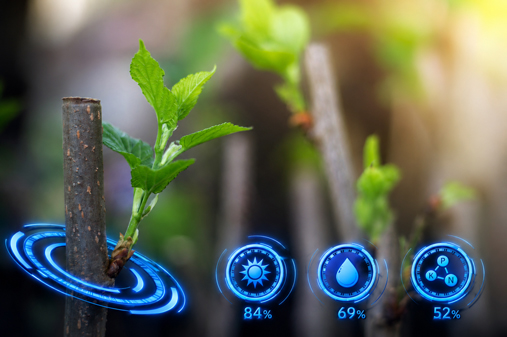
Data-Informed Decision Making
Technology is most valuable when it improves the quality and timing of decisions. Digital information can support more accurate forest inventories, better planting and harvest schedules, earlier identification of stress, improved environmental documentation, and more efficient resource allocation across field and management teams.
Ecosystem Services Beyond Timber
In addition to producing renewable wood fibre, working forests provide numerous ecosystem services that benefit society:
- Clean air production
- Water filtration
- Carbon storage
- Wildlife habitat
- Recreational opportunities
- Climate regulation
- Pollination support
- Flood mitigation
Grabek Global believes the future value of forests extends far beyond timber production alone. As environmental markets continue to evolve, ecosystem services such as carbon sequestration, biodiversity conservation, and watershed protection are expected to become increasingly important components of sustainable land management.
The Economic and Environmental Balance & Transparency
Grabek Global believes that economic performance and environmental responsibility should be managed together rather than in opposition. A productive forest can create value through renewable wood fibre, improved land productivity, carbon storage, water and soil protection, habitat and biodiversity, rural employment, and long-term asset resilience.
Transparency and Long-Term Reporting
Sustainability claims should be supported by clear explanations of how forests are managed and how progress is observed over time:
- Management objectives for each forestry program
- Regeneration and reforestation updates
- Environmental protection activities
- Forest health and risk observations
- Community and stakeholder initiatives
- Technology and monitoring improvements
- Progress against long-term sustainability priorities
How This Integrates Into Our Investment Service
Grabek Global does not treat sustainability forestry as a separate story from its client-facing investment and asset-management operations. Instead, forestry represents a practical demonstration of how capital, land, and operational discipline can work together over long time horizons.
Forestry supports our investment service across multiple dimensions:
- A real asset class with tangible land and biological value
- Value generation across long time horizons rather than volatile short market cycles
- Direct link between capital, responsible stewardship, and land productivity
- Clear connection between environmental responsibility and disciplined asset management
- Long-term capital preservation and responsible portfolio construction
- Renewable asset growth with measured operational discipline
For clients, this integration helps explain not only what the asset is, but why it matters. The forest is not an abstract concept; it is an active, structured, and carefully managed biological investment.
Long-Term Vision
Grabek Global Sustainability Forestry remains focused on building a resilient forestry platform capable of generating environmental, economic, and social value for generations to come.
Our long-term vision includes:
- Expanding sustainable forestry operations
- Increasing reforestation capacity
- Advancing carbon sequestration initiatives
- Supporting biodiversity conservation
- Developing innovative forestry technologies
- Strengthening community partnerships
- Promoting responsible global forestry practices
By combining sustainability, science, operational excellence, and environmental stewardship, Grabek Global aims to remain at the forefront of responsible forestry management in a rapidly changing world.
Explore Our Full Forestry & Resource Division
Learn more about our wood production, land development, and how you can participate in Grabek Global's sustainable forestry portfolio.