Wind and Solar Renewable Energy
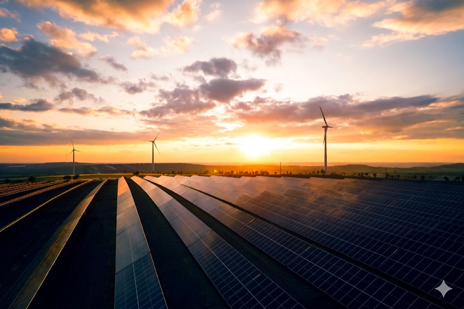
As global demand for renewable energy continues to accelerate, Grabek Global recognizes the important role sustainable land management can play in supporting the transition toward cleaner and more resilient energy systems.
Our extensive land portfolio and strategically located timberlands provide significant opportunities for responsible renewable energy development, including wind and solar power generation.
Through carefully structured partnerships with experienced and reputable energy developers, Grabek Global supports renewable infrastructure projects that align with:
- Environmental sustainability
- Long-term land stewardship
- Community interests
- Energy diversification
- Carbon reduction initiatives
- Responsible economic development
Our renewable energy strategy reflects our broader commitment to integrating sustainability, innovation, and long-term value creation across all areas of our operations.
Grabek Global’s working forests are managed to support multiple long-term uses simultaneously.
In addition to producing renewable forestry products and supporting ecosystem services, selected areas of our land holdings may also provide opportunities for:
- Wind energy development
- Solar energy generation
- Grid infrastructure support
- Energy transmission corridors
- Battery storage facilities
- Carbon reduction initiatives
This dual-purpose land management model allows our properties to continue supporting sustainable forestry operations while also contributing to clean energy production.
By responsibly integrating renewable energy projects into our land portfolio, we can enhance land productivity, diversify revenue opportunities, and support broader environmental goals without compromising our forestry stewardship principles.
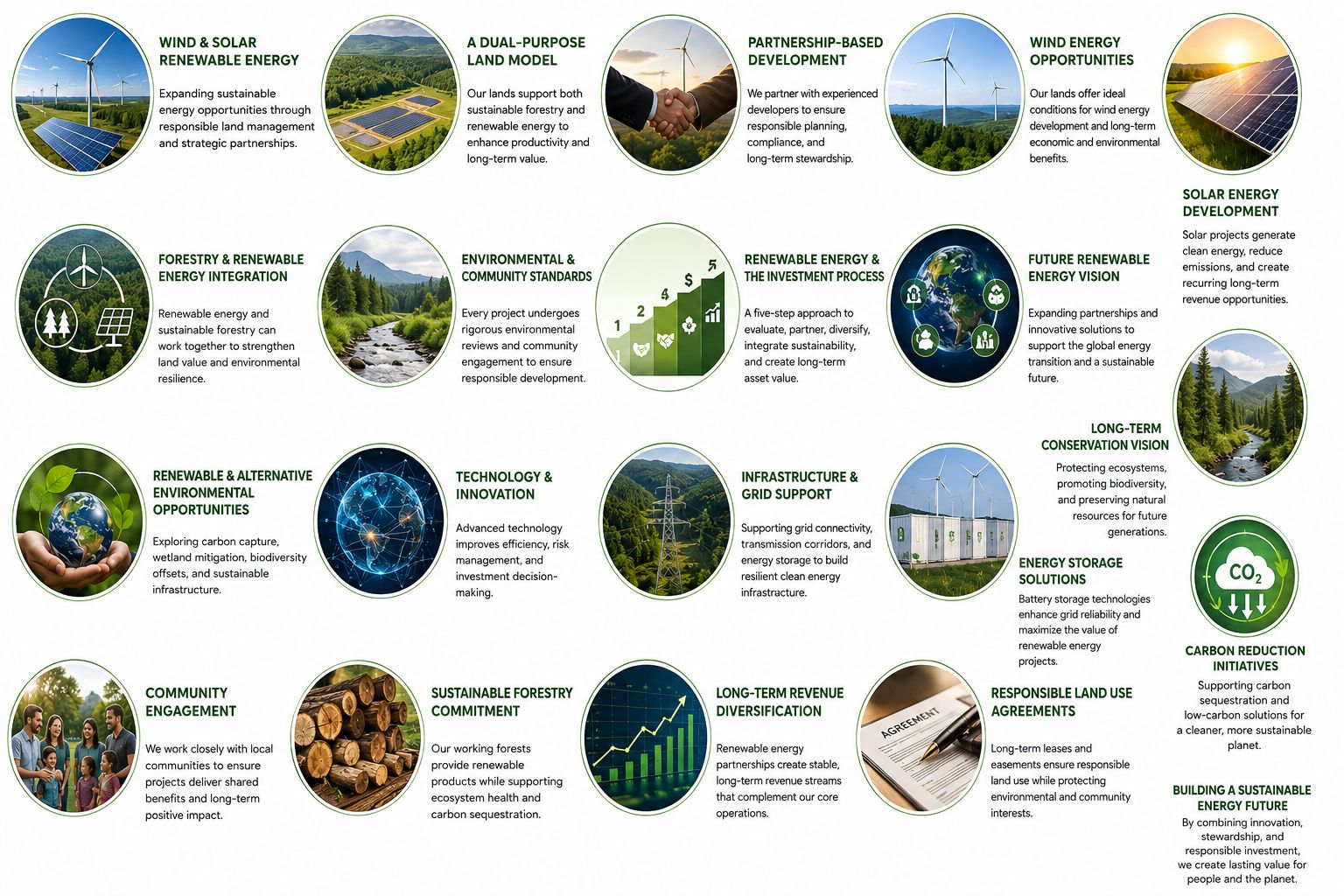
Grabek Global works with qualified industry leaders specializing in renewable energy development.
These partners are responsible for:
- Site identification
- Feasibility studies
- Environmental evaluations
- Community engagement
- Permitting and regulatory approvals
- Infrastructure construction
- Long-term project operation
After comprehensive technical and environmental assessments, Grabek Global may grant easements or long-term land use agreements to approved third-party developers.
This approach allows renewable energy projects to be developed responsibly while ensuring:
- Environmental protection
- Regulatory compliance
- Community compatibility
- Operational sustainability
- Long-term land stewardship
Our partnership model also enables Grabek Global to generate additional long-term revenue streams while minimizing direct operational risk.
Wind energy continues to play a growing role in the global transition toward low-carbon electricity generation.
Many of Grabek Global’s land holdings possess favorable characteristics for wind energy development, including:
- Large contiguous land areas
- Rural and low-density locations
- Elevated terrain and wind corridors
- Existing infrastructure access
- Long-term land availability
Approved wind energy projects are carefully evaluated to ensure compatibility with:
- Sustainable forestry operations
- Wildlife and habitat protection
- Visual and environmental considerations
- Local community preferences
- Regulatory requirements
Wind projects developed on suitable lands may provide:
- Renewable electricity generation
- Long-term lease revenue
- Infrastructure investment
- Rural economic development
- Carbon reduction benefits
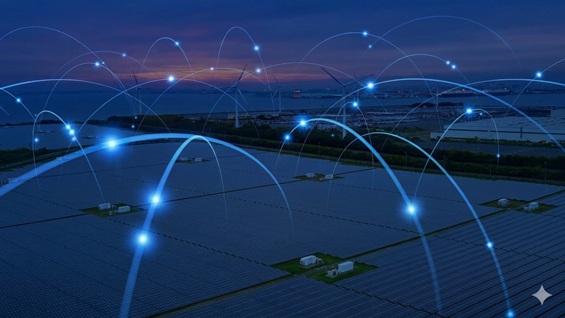
Solar energy represents another important component of Grabek Global’s renewable energy strategy.
As demand for clean electricity and sustainable infrastructure grows globally, utility-scale and distributed solar projects continue expanding across multiple regions.
Grabek Global supports responsible solar development through:
- Land evaluation and suitability assessments
- Long-term easement agreements
- Environmental planning
- Infrastructure coordination
- Sustainability oversight
Solar installations may be integrated into suitable portions of our land portfolio while preserving surrounding forestry and environmental functions.
These projects contribute to:
- Renewable electricity production
- Energy diversification
- Reduced greenhouse gas emissions
- Increased land productivity
- Long-term recurring revenue opportunities
Grabek Global believes renewable energy development and sustainable forestry can successfully coexist when managed responsibly
Approved renewable energy projects are designed to align with our broader environmental and land stewardship objectives.
This integrated approach allows our forests and land holdings to:
- Continue producing renewable forestry products
- Maintain biodiversity and ecosystem functions
- Support carbon sequestration
- Contribute to renewable energy generation
- Reduce greenhouse gas emissions
- Strengthen long-term land value
By combining forestry and renewable energy strategies, Grabek Global supports a more diversified and environmentally resilient land management system.
All renewable energy projects considered on Grabek Global lands undergo extensive review processes.
These evaluations may include:
- Environmental impact assessments
- Wildlife and habitat studies
- Soil and water evaluations
- Community consultation processes
- Infrastructure analysis
- Regulatory compliance reviews
- Long-term sustainability assessments
Only projects that meet operational, environmental, and community standards are approved for development.
Grabek Global remains committed to balancing economic opportunity with environmental protection and responsible community engagement.
Renewable energy development forms part of Grabek Global’s diversified long-term investment strategy
As global energy systems evolve, renewable infrastructure is expected to remain an increasingly important asset class within sustainable investment portfolios.
Our teams assess land holdings for:
- Wind resource potential
- Solar irradiation levels
- Infrastructure accessibility
- Environmental compatibility
- Grid connectivity opportunities
- Long-term development suitability
Grabek Global collaborates with experienced renewable energy developers capable of managing:
- Technical development
- Permitting processes
- Infrastructure construction
- Environmental compliance
- Long-term operational management
Renewable energy easements and lease agreements create additional recurring revenue streams that complement:
- Forestry income
- Real estate operations
- Natural resource royalties
- Infrastructure investments
- Environmental asset programs
Renewable energy projects also support broader ESG objectives by contributing to:
- Carbon reduction efforts
- Sustainable infrastructure development
- Environmental resilience
- Energy diversification
- Climate-focused investment initiatives
By integrating renewable energy opportunities into our land management strategy, Grabek Global seeks to strengthen:
- Long-term portfolio diversification
- Environmental sustainability
- Land productivity
- Revenue stability
- Infrastructure value
- Future growth opportunities
Grabek Global remains committed to exploring responsible renewable energy opportunities that align with our sustainability objectives and long-term investment strategy.
Our future vision includes:
- Expanding renewable energy partnerships
- Supporting sustainable infrastructure development
- Enhancing carbon reduction initiatives
- Integrating renewable technologies across land portfolios
- Supporting energy transition efforts
- Strengthening ESG-focused investment opportunities
- Promoting environmentally responsible land use
We believe renewable energy, sustainable forestry, conservation, and responsible investment can work together to create long-term value for investors, communities, and the environment.
Grabek Global remains committed to preserving natural ecosystems while supporting responsible economic development and sustainable investment growth.
Our long-term conservation goals include:
- Expanding protected habitat areas
- Increasing biodiversity initiatives
- Supporting climate resilience projects
- Enhancing watershed protection
- Strengthening conservation partnerships
- Advancing sustainable forestry practices
- Integrating ecosystem services into investment strategies
- Promoting responsible land stewardship globally
We believe conservation and sustainable investment are not opposing forces — they are interconnected foundations for long-term environmental and economic sustainability.
In addition to traditional natural resource operations, Grabek Global continues exploring environmentally focused development opportunities including:
- Carbon capture and sequestration
- Renewable energy projects
- Wetland mitigation programs
- Conservation partnerships
- Biodiversity offset initiatives
- Sustainable infrastructure development
These opportunities align with our broader commitment to long-term environmental sustainability and responsible land stewardship.
Grabek Global integrates advanced technology systems into both operational management and investment analysis.
These technologies include:
- GIS mapping systems
- Environmental monitoring platforms
- Geological analysis tools
- Remote sensing technology
- Infrastructure analytics
- Data-driven investment modeling
- Blockchain-related technologies
- Crypto mining infrastructure management
Technology allows us to improve:
- Operational efficiency
- Risk management
- Environmental oversight
- Investment decision-making
- Resource optimization